No products in the cart.

Tights are decided by three things: where the support sits, how the panel wraps the knee, and whether the pocket survives a phone at pace.

Every panel is placed against a movement, not against a sketch. The result is a tight that supports where the muscle works and stays quiet where it does not.
Nothing goes to the line until these are settled, because each one changes the pattern.
Where support is needed, and how firm. Drawn as a panel map, not a percentage on a label.
Weight and stretch follow the effort: lighter for racing, denser for support.
Flatlock for stretch panels, bonded where a seam line must disappear.
Worn and moved before approval — a tight that reads well standing still can fail at pace.
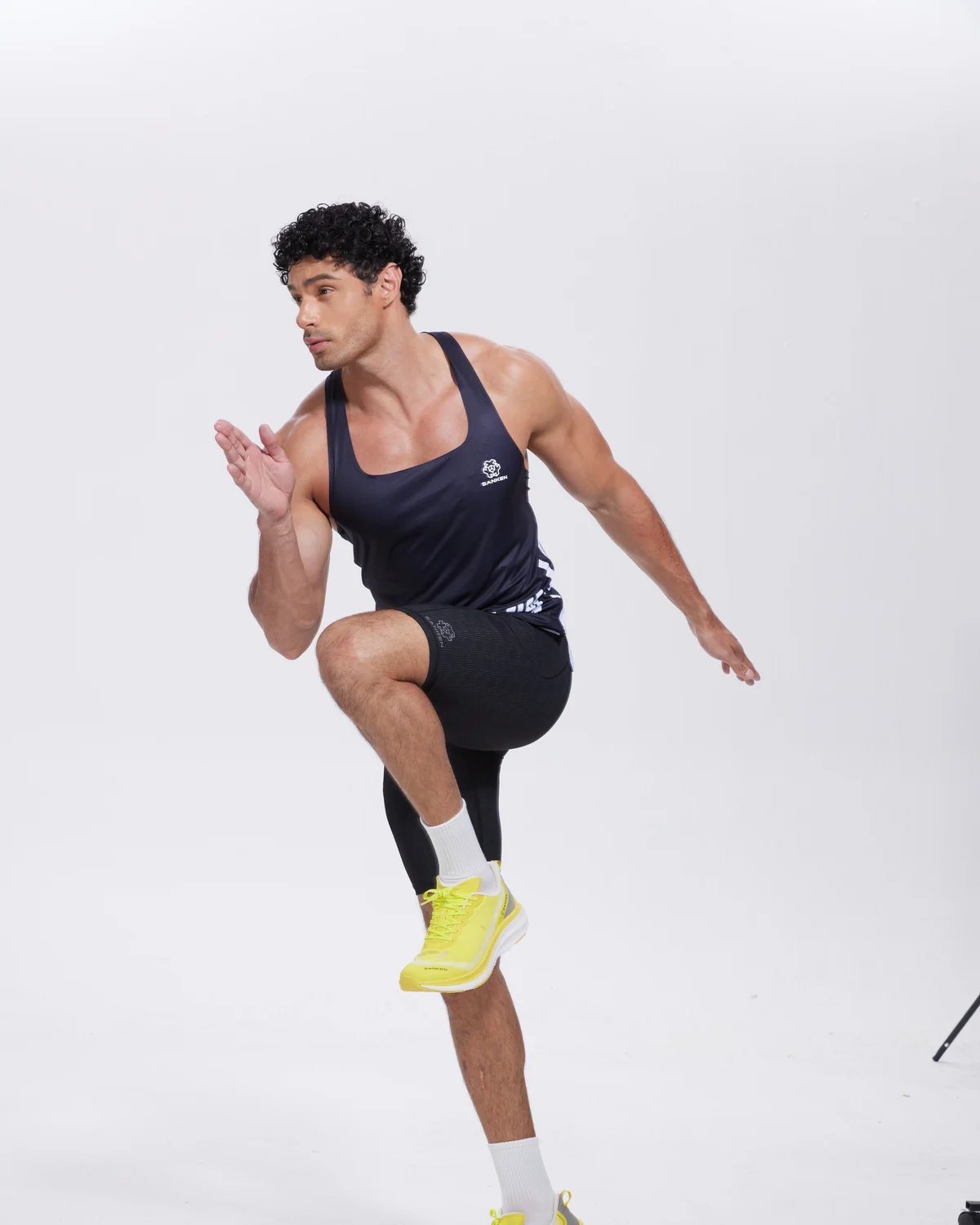
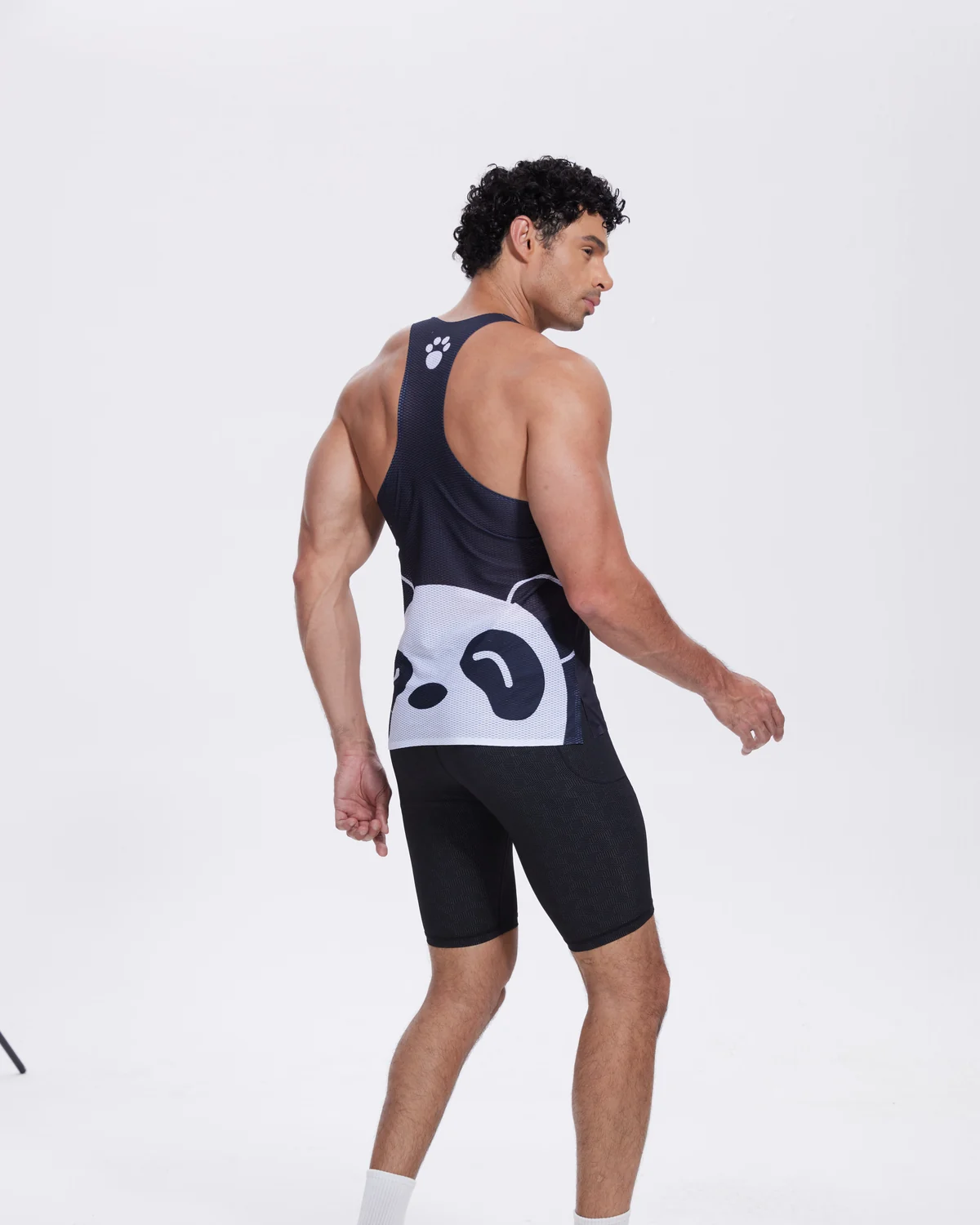
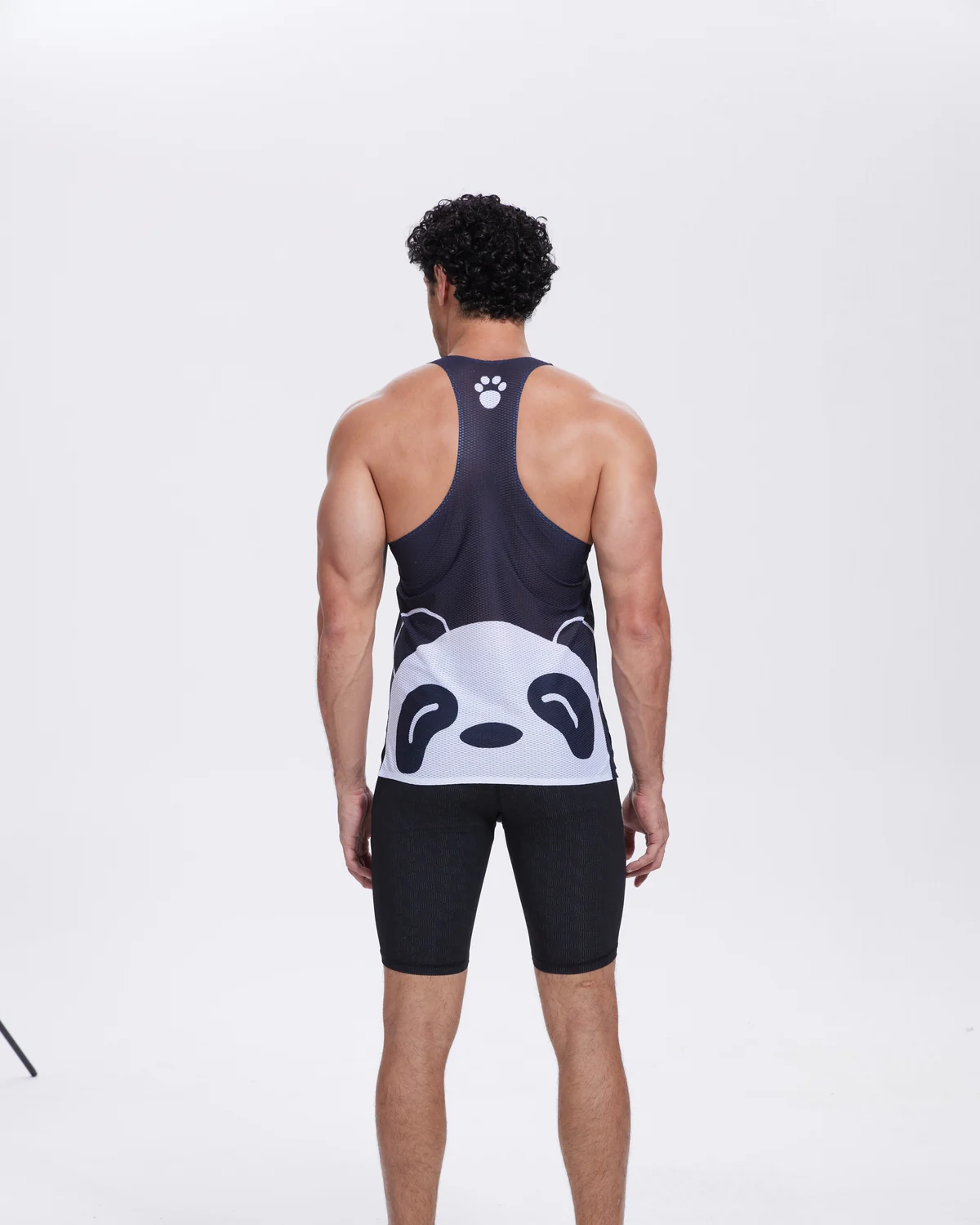
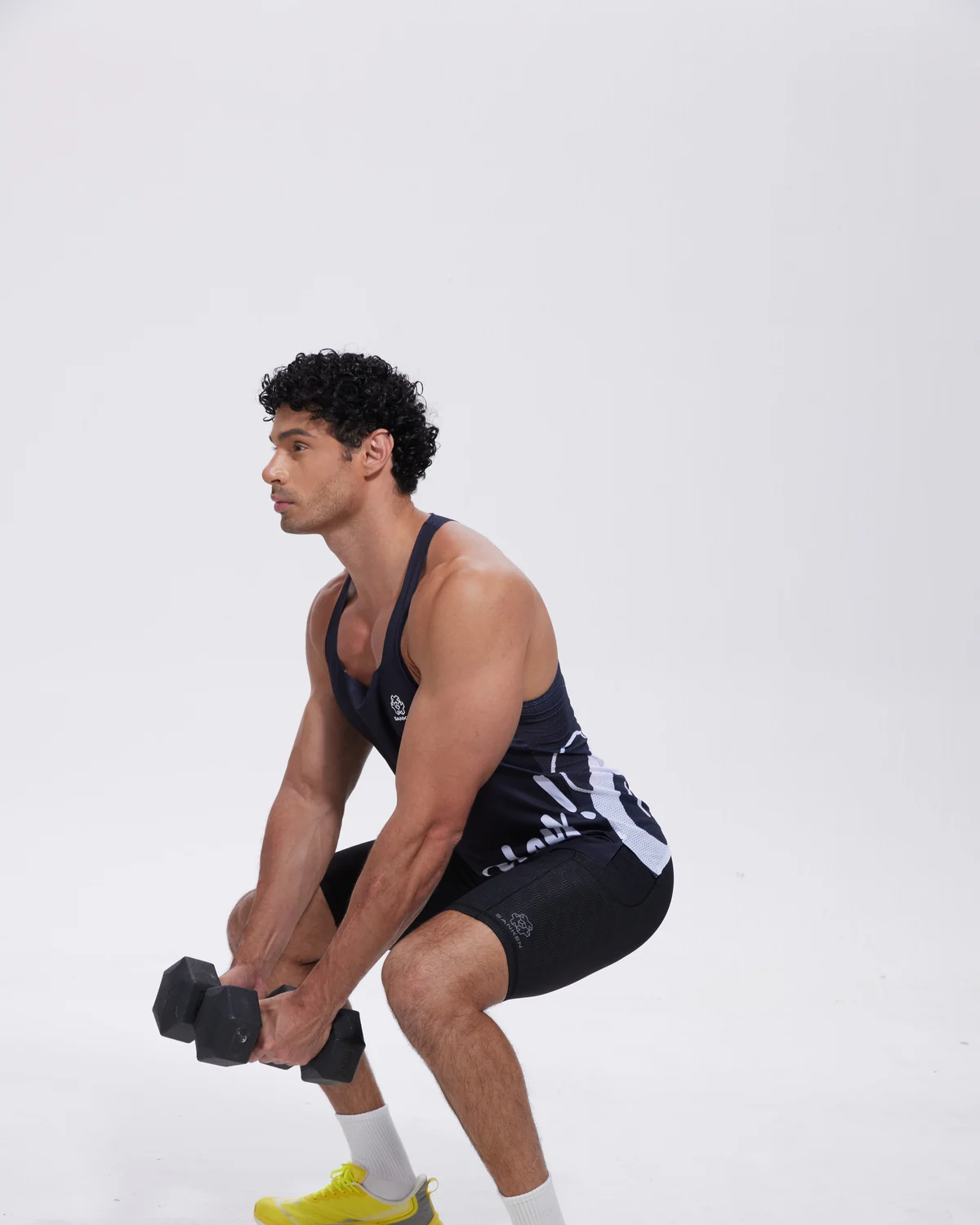
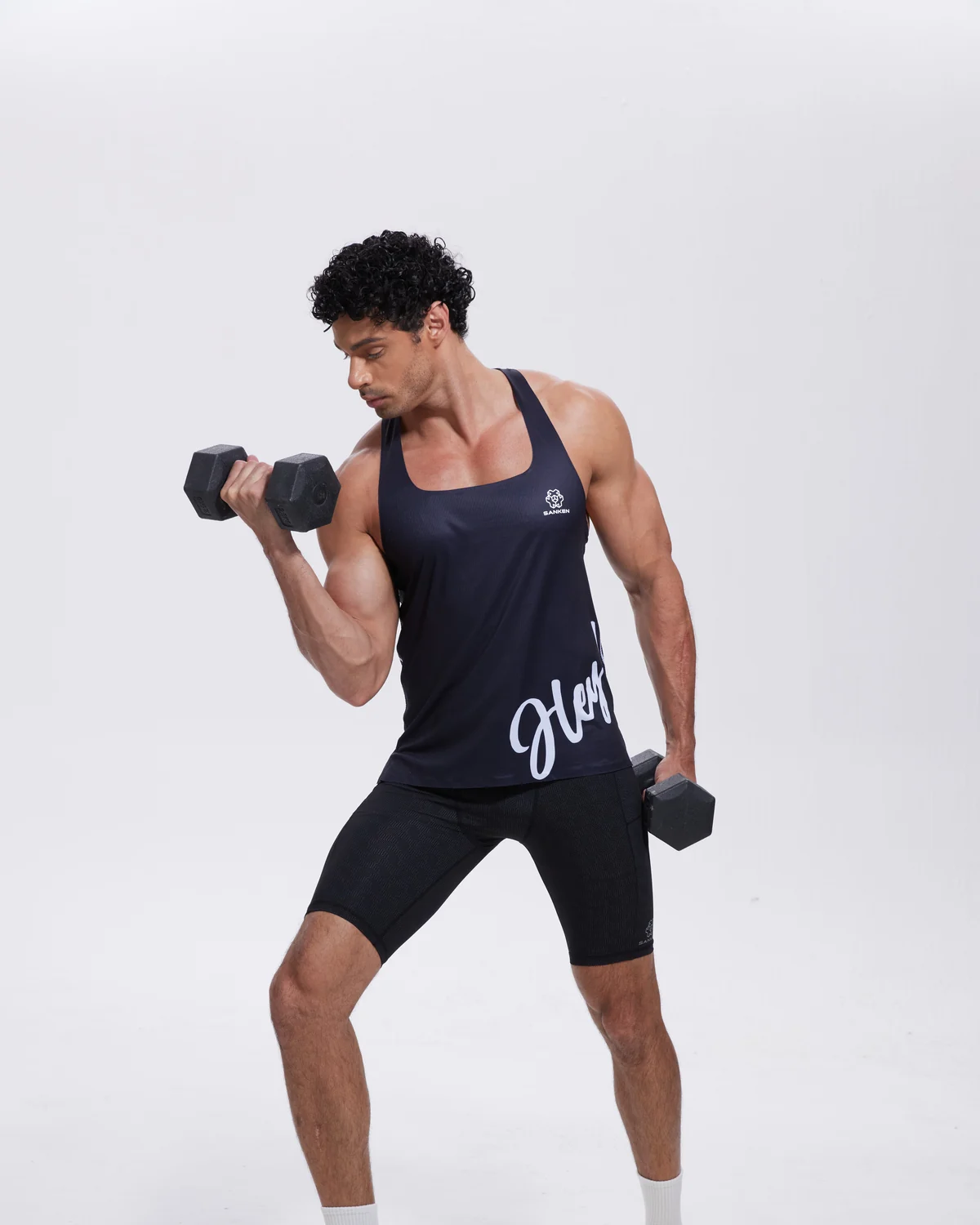
Finished pieces from recent runs, photographed the same way so construction and proportion can be compared.

Five questions that come up on almost every order, answered the way they are answered in the quotation.
Compression comes from the knit and the fit rather than from a label, so the brief specifies where support is needed — calf, thigh or full leg — and the panel layout is drawn to that, then sampled on a body.
Yes. Side or back pockets are set at the pattern stage, because moving a pocket changes the panel and the seam run. Phone size and zip choice are decided with it.
One piece, so fit, compression and print can be tested on a real garment before a production run.
Sampling 5–7 days once fabric and artwork are confirmed, production 15 days after you approve the sample.
Seam type is chosen with the stretch: flatlock for a low profile on high-stretch panels, bonded where the seam has to disappear. It is sampled rather than assumed.
Send the compression zone, the pocket layout and the fabric you have in mind, and the quotation comes back with the construction and a dispatch date.
Request a quote